Biotechnologist by training, self-taught in ML, born in Kolkata to a nuclear physicist.
Agent infrastructure, tissue classifiers, embodied software — a gate that can fail and a number that can be
read on every one.
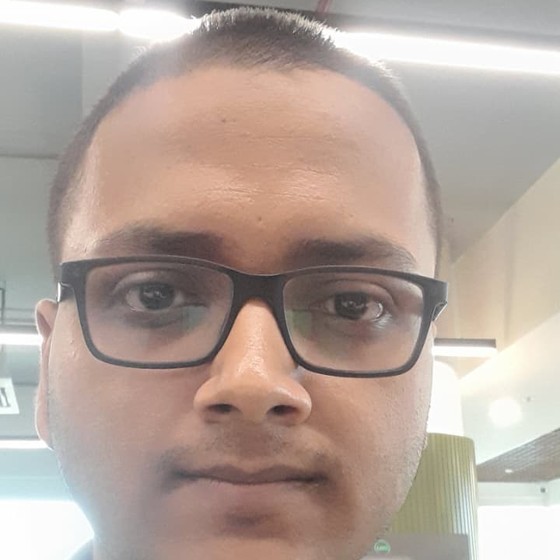
fig. 1 — the author, on two wheels most Sundays
field notes
origins — kolkata, 1999Born to a nuclear physicist and a teacher.
Ramakrishna Mission, Bengali medium, where only the minimum mattered. Wanted medicine, came out a
biotechnologist (VIT Vellore) — then taught myself the ML half, because I wanted silicon to behave
like the cells I was studying.
habitat — the day jobAgent infrastructure for a 500-person org:
routing, budgets, failure isolation, token cost down 15×. Every quarter I find the repeated work and build
software factories around it — the system builds itself, I monitor.
nocturnal — the nightsTissue classifiers, motion rigs that walk without
limping, software with a voice and a body. One question underneath: how far can silicon go before it counts
as biology?
observed behaviour — morningsWake 5:30. Stretch stiff tendons.
Swim at the local club. Cook the day's food, then cook more code than food. Cyclist. Jungle-walker.
3D-print what I design. Papers and comics, both.
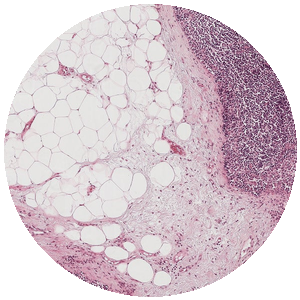
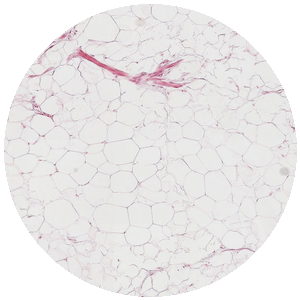
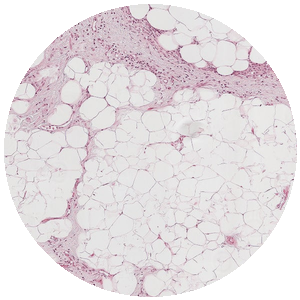
A 9-class colorectal H&E classifier. First version: 97% on its own data,
78% on a hospital it never saw — the stain problem. Fixed with Beer–Lambert
absorbance physics in training, a k-NN familiarity gate, conformal sets on top.
Served live from my own GPU; three failed training runs published in the repo.